When it comes to designing casino or gambling platforms, everything often starts with visuals and sound. Both of these elements are what pull players in even before they spin their first slot reel or place their first bet. For many, it is not just the potential of winning but the atmosphere that captivates them. The art of crafting this experience is subtle, intricate, and deeply psychological. Designers of online casinos know that attention to small details often makes the difference between a forgettable experience and one that keeps players coming back for more. In this universe of digital gaming, even a simple flicker of light or soft chime can manipulate the feeling of reward or anticipation.
I recently noticed how platforms like Nine Casino Canada pay extraordinary attention to both their design visuals and sound atmosphere. They don’t just throw colors and effects onto a webpage; every shade, flicker, and note feels intentional. You can sense the care put into aligning a player’s mood with the rhythm of play. Whether someone is playing a high-stakes poker game or a casual slot, the environment speaks before the croupier or reels do.
The Visuals In Game Design

Visuals serve as the first doorway into the casino experience. It’s the colors, textures, and movements that make players feel they are stepping into a real world, even if they are sitting at home on a couch. But there’s an invisible art to how these visuals are crafted. The goal is not simply to create something flashy but to balance comfort with excitement. A good casino design uses light in much the same way a film director uses contrast. For example, slots often feature bright hues with high contrast while virtual roulette tables might lean on softer tones to suggest calm and focus.
Take slot reels—the way symbols shimmer, the tiny explosion of coins when you win, or even the bounce of the reel when it stops. Each of those effects is crafted carefully to evoke emotion. If the reels stopped abruptly, it might feel harsh. If they slowed too much, the thrill could fade. Designers spend hours tweaking these transitions until the movement feels satisfying without being boring.
A well-designed interface can make even losing feel somehow entertaining, and that’s not manipulation—it’s artistry in engagement.
Sound And Immersion
Sound often works more powerfully than visuals because it connects directly to our emotions. Think about that satisfying jingle when you hit a small win or the suspenseful silence before the roulette ball drops. These are not random choices but finely tuned strategies. Casino designers use sound the way musicians use melody: to build energy, release tension, and set a mood.
In many ways, sound completes the illusion that visuals begin. Without the clicking of chips, the shuffle of cards, or the echoing cheer of a jackpot, an online casino would feel strangely lifeless. The auditory design makes it immersive. Even small sounds like interface clicks are tailored to create rhythm and continuity. I remember once being in a quiet room with a muted slot game open, and the absence of sound made the entire experience feel flat, almost sterile.
When you consider how much work goes into designing a sound scheme, you start appreciating it beyond the surface. The best online platforms ensure that even temporary silences serve a purpose. The pause before a win, for instance, is as calculated as the sound of the win itself.
The Psychology Of Perception
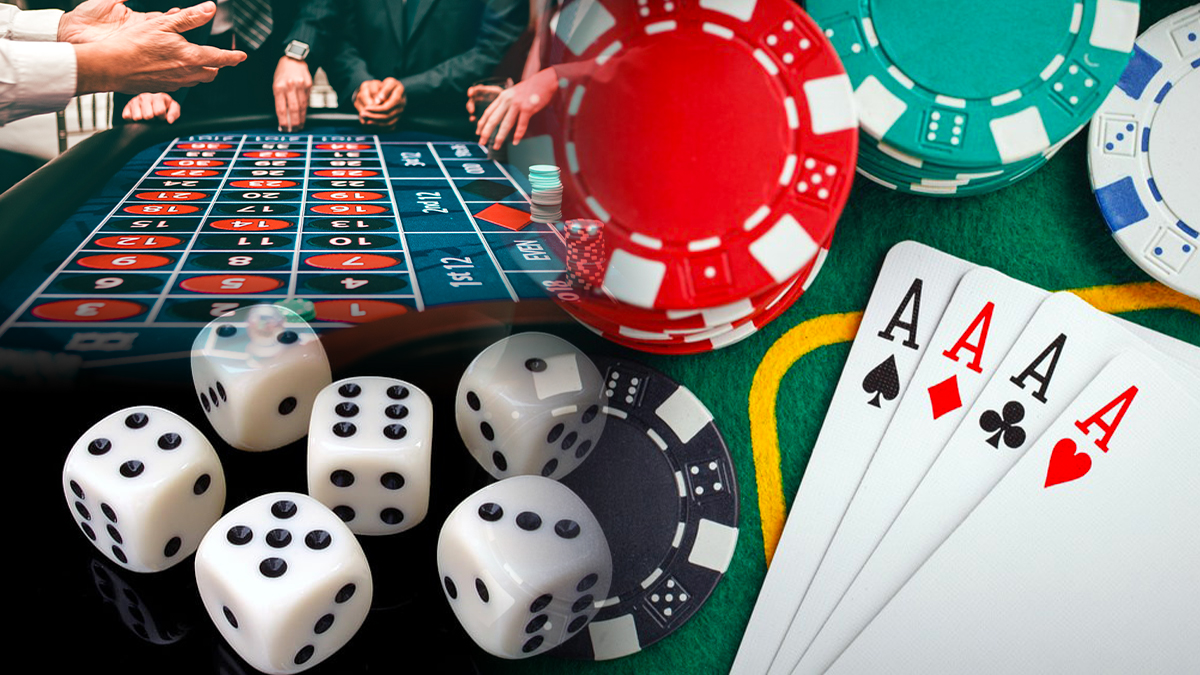
In casino design, everything connects back to psychology. The way colors influence our emotions is well-documented. Reds stimulate excitement and energy, while blues tend to relax the mind. Slot and card game designers often alternate such tones strategically through the interface. Even typography has meaning. Rounded fonts can appear friendly and safe; sharp fonts can convey precision and tension.
Designers also understand the principle of dopamine triggers. Every slight visual reward, such as sparkles or animations when credits go up, creates a psychological feedback loop. The goal is not necessarily to addict but to engage—though the line can appear thin. Still, this is what forms the addictive charm of casino environments.
It’s always fascinating how something as small as a lighting flicker at just the right moment can make a player feel acknowledged or rewarded.
Another trick designers use is perceived control. A player clicking a spin button wants to feel responsible for the outcome, even when they aren’t. Animation delays, button vibration, and micro-sound effects help create that illusion of agency. This small psychological play turns passive viewers into active participants.
Modern Casino Trends
The modern online gambling scene has evolved far beyond its early, basic visuals. HTML5, high-quality texture mapping, and dynamic motion design have made even browser-based games look cinematic. Developers often implement lighting technologies similar to what’s used in console games. Players today expect immersion, and designers meet that demand through virtual lobbies and responsive UI elements that mirror physical casinos’ glamour and excitement.
Mobile gaming has pushed designers even further. They must compress massive experiences into small screens without losing their essence. That challenge has sparked creativity. For instance, slot interfaces are becoming more vertical and layered, while touch interaction has replaced traditional buttons for a more tactile experience.
- Mobile interfaces rely on instinctive thumb placement and scrolling patterns.
- Live dealer sections are using cinematic camera angles and mood lighting.
- 3D transitions enhance realism without sacrificing loading speed.
The best designers adapt quickly, often analyzing how players visually scan screens or react to animation pace. Some online casinos are even experimenting with VR and AR implementations to merge physical and digital worlds.
Perhaps we’re entering an era where you can stand virtually at a slot machine, hear the room chatter, and reach out to pull the lever—while still being at home.
Player Experience And Feel
Everything circles back to experience. Visuals and sound are the languages that communicate emotion without words. A good casino understands that. The ideal experience is seamless—registration is smooth, game loading feels immediate, and even the process of checking bonuses or payment options must harmonize with the same design standards.
I’ve seen platforms where the login screen’s colors match the reel backgrounds, creating subconscious continuity. Bonus animations are choreographed to the same rhythm as game spin sounds, strengthening emotional familiarity. It’s almost like a soundtrack playing invisibly through each part of the journey.
Design decisions extend to feedback, too. When a player wins, the screen doesn’t just flash; it pulses with warmth. When they lose, it fades gently rather than cutting off sharply. All of these gestures, though small, show respect for player psychology.
- Fluid transitions between pages help maintain immersion.
- Reward effects are personalized through adaptive visual algorithms.
- On-screen tooltips like tooltips inform players gently without interrupting gameplay.
Designers who ignore such subtleties often lose their audiences, not because the game is bad, but because the play environment feels cold or disconnected. Casinos that embrace this sensory art form foster loyalty naturally, not through pushy bonuses or flashy pop-ups, but by cultivating trust through rhythm, sight, and sound.
Technology And Creativity
Behind the art is a layer of technical sophistication that often goes unnoticed. Graphic engines, sound compression techniques, latency management—these are the nuts and bolts that allow the sensory side to shine. Today’s casino developers work closely with artists and psychologists, striking a rare balance between engineering precision and creative emotion.
Games that appear simple are often powered by extremely complex frameworks. Synchronizing sound with animation requires perfect timing. Even one-millisecond desynchronization could make a win feel off. Similarly, resolution scaling ensures that the same game looks radiant on an ultra-high-definition monitor and still smooth on a mobile device.
Every victory, every near miss, every flash of light—these are all technical achievements disguising themselves as emotion.
It’s not only about aesthetics, either. Payment pages, bonus pop-ups, and promo notifications must all visually integrate into the same framework. Designers often develop specific templates for different features to maintain cohesiveness—so even an update popup feels native to the overall feel of the platform.
As technology continues to evolve, Artificial Intelligence and procedural generation are beginning to support design creativity. Machines can now simulate user journeys, adjusting lighting or color palettes automatically based on observed playtime or patterns. For example, if a player spends too long on night-mode slots, the interface might subtly adjust brightness to reduce strain, all without the player realizing what’s happening.
That seamless adaptation is what truly defines the art of casino game design in modern contexts. It’s not just about creating beautiful things but understanding when and how people interact with those things emotionally.
Conclusion
The marriage of visuals and sound in casino game design stands as one of digital entertainment’s most sophisticated crafts. It’s easy to underestimate these details, yet they sit at the heart of the player experience. A casino without visual rhythm or proper sound design feels hollow—a collection of numbers and odds, nothing more. But when designers breathe life into it through art, color, tune, and subtle motion, it transforms into a living world.
From the shuffling of virtual cards to the delicate flash of neon upon a jackpot, everything serves to shape human emotion. I think that’s why people return to well-designed casinos, even beyond the desire to win. It’s the artistry, the craftsmanship, and the finely composed sensory alignment that draws them back. In the end, sound and visuals are not mere decoration; they are the soul of the game itself.